
When selling a house in Australia, it is important to understand which repairs and improvements are unnecessary. Consulting an experienced real estate agent can help you save money and streamline the home selling process by providing guidance on essential features and buyer perceptions. Here are key areas where you can avoid spending too much money on unnecessary fixes.
Note: Every seller has a different tolerance to what should be fixed. These are simply general considerations from our experience in the market.
Cosmetic Issues
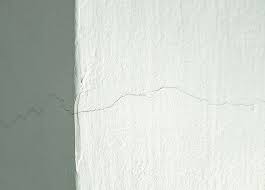
Cosmetic issues such as minor cracks in the wall or a worn-out paint job often do not require attention. Most buyers can see past minor flaws and are more interested in the overall structure and potential of the house.
Instead of investing in a fresh coat of paint or refinishing hardwood floors, focus on keeping the home clean and decluttered. Spend money wisely on essential repairs that impact the functioning of major systems in the house.
Examples of Cosmetic Issues:
- Minor cracks in walls
- Small scratches on hardwood flooring
- Slightly worn-out carpets
Addressing these issues can be considered a cost-effective approach that avoids unnecessary expense while still presenting a well-maintained home.
Personal Taste Renovations
Avoid making changes based on personal preferences. Potential buyers may not appreciate your taste in window treatments or specific decor choices. It’s best to present a neutral, clean slate so prospective buyers can envision their own style in the space.
Examples of Personal Taste Renovations:
- Custom paint colors
- Unique light fixtures
- Specialized bathroom tiles
Making home improvements that cater to a broad audience rather than a specific taste is more likely to attract buyers.
Outdated Appliances
Replacing outdated appliances is often unnecessary. Most buyers understand that appliances can be replaced over time. Instead of investing in new kitchen appliances or smart home technology, ensure that existing appliances are clean and in working order.
Examples of Outdated Appliances:
- Older but functional refrigerators
- Working but dated ovens
- Older model dishwashers
Leaving these items as they are can save money and let the next owner choose their preferred upgrades.
Unnecessary Structural Changes
Major structural changes are often unnecessary and do not guarantee a return on investment. Home sellers should avoid major renovations that could delay the sale and cost a significant amount of money.
Consulting data from the National Real Estate Association can help in making cost-effective decisions that maximize returns and expedite the selling process.
Examples of Unnecessary Structural Changes:
- Removing walls to create an open floor plan
- Adding additional rooms
- Major kitchen or bathroom overhauls
Focus on maintaining the structural integrity of the house without embarking on expensive projects that might not align with the buyer’s vision.
Extensive Landscaping and Curb Appeal
While curb appeal is important, extensive landscaping projects rarely increase property value enough to justify the cost. Simple and well-kept outdoor spaces are usually sufficient to impress buyers.
It is advisable to consult an experienced real estate agent for advice on landscaping investments.
Examples of Extensive Landscaping:
- Installing new garden features
- Major re-sodding projects
- Adding extensive flower beds
Keep the garden tidy and focus on curb appeal enhancements that are cost-effective and easy to maintain.
High-End Upgrades
Investing in high-end upgrades is risky as they often do not provide a good return on investment. Real estate agents typically advise against such upgrades as they can be very expensive and appeal to a limited audience.
Consulting data from the National Real Estate Association can help homeowners make cost-effective decisions by understanding which renovations are most likely to increase property value and expedite the selling process.
Examples of High-End Upgrades:
- Installing luxury kitchen appliances
- Using premium materials for countertops and flooring
- Adding custom cabinetry
Focus on functional and aesthetically pleasing improvements that do not cost too much money.
Seasonal Decorations for Potential Buyers
Seasonal decorations do not add value to a property and can distract from the home’s features. Neutral, minimalist decor is best to attract buyers.
Examples of Seasonal Decorations:
- Holiday lights and ornaments
- Themed room decorations
- Seasonal yard displays
Keeping decor neutral helps potential buyers envision their own style in the home.
Minor Plumbing Issues
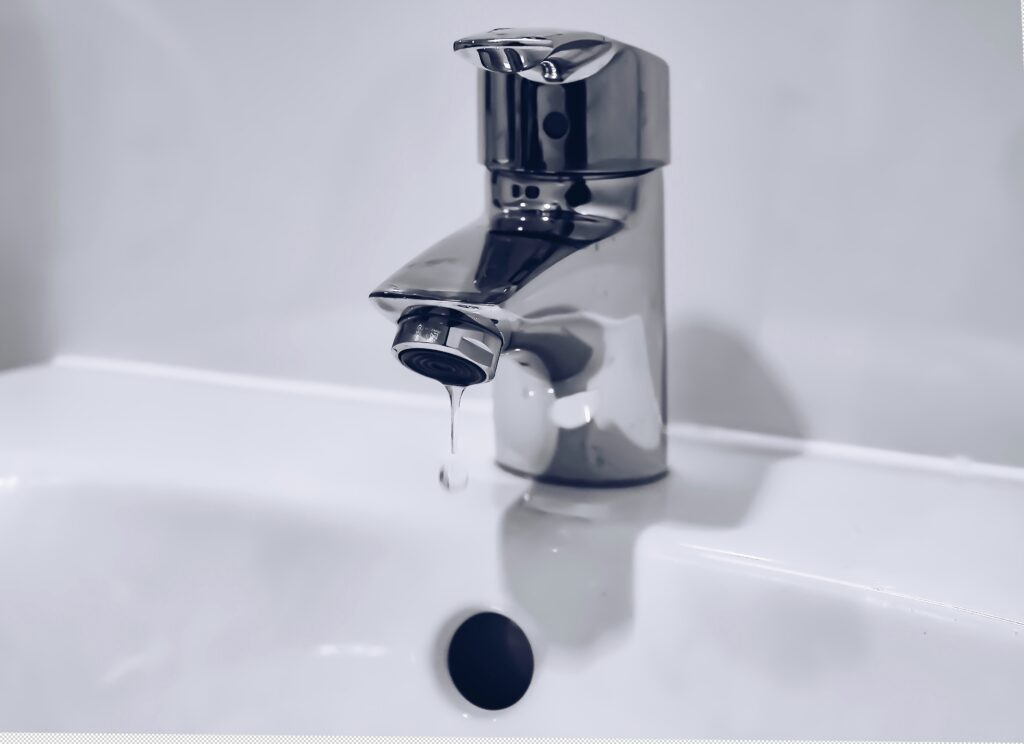
Minor plumbing issues like a dripping faucet or slow drain can be left for the buyer to handle. Most buyers are prepared to address such minor flaws after purchasing a home.
However, it is crucial to address any environmental or safety hazards, such as leaks and electrical problems, as they can affect the intended operation or function of major systems in the house.
Examples of Minor Plumbing Issues:
- Dripping faucets
- Slow-draining sinks
- Minor leaks in taps
While it’s important to fix any major plumbing problems, minor issues can be left as is to avoid unnecessary costs.
Outdated Fixtures
Outdated fixtures such as light fittings, cabinet handles, and bathroom accessories are often viewed as cosmetic issues. Replacing them can be a low-cost improvement, but it’s not essential to sell the house.
Examples of Outdated Fixtures:
- Old light fixtures
- Worn-out cabinet handles
- Dated bathroom accessories
Consider leaving these as they are and allowing the new owners to update them to their taste.
Broken Appliances
While broken appliances and necessary home repairs can be a red flag for buyers, it’s important to weigh the cost of replacement against the potential return. Sometimes it makes more financial sense to offer a credit to the buyer instead of replacing the item.
Examples of Broken Appliances:
- Non-functioning dishwasher
- Broken oven
- Faulty microwave
Discuss with your real estate agent whether it’s worth replacing or simply disclosing the issue and adjusting the price accordingly.
Extensive Electrical Work
Avoid undertaking extensive electrical work unless it’s necessary to fix safety hazards. Most home inspectors will note minor electrical issues that buyers are usually willing to handle themselves.
Examples of Electrical Work:
- Rewiring the entire house
- Installing new lighting systems
- Upgrading electrical panels
Focus on ensuring that the home is safe and functional without overhauling the electrical system.
Old Windows and Doors
While new windows and doors can improve energy efficiency, they are often a significant expense that doesn’t yield a high return on investment. Most real estate agents suggest making sure existing windows and doors are clean and functional.
Examples of Old Windows and Doors:
- Drafty windows
- Older, functional front door
- Non-modern patio doors
Rather than replacing them, consider adding weather stripping or making small repairs to enhance their appearance and function.
Final Points
In conclusion, knowing what not to fix when selling a house in Australia can save money and make the selling process smoother. Experienced real estate agents recommend focusing on essential repairs and avoiding unnecessary expenses on cosmetic repairs, personal taste renovations, outdated appliances, and major renovations.
Home sellers should concentrate on presenting a clean, well-maintained property that highlights its potential without overinvesting in areas that do not significantly impact home value. By following these guidelines, you can attract buyers and achieve a successful sale without spending too much money on unnecessary fixes.