
A swimming pool can increase a home’s value, but it is not a guaranteed profit-maker. In the right market, a well-maintained in-ground pool can make a property more desirable and may support a higher sale price. In the wrong market, or when the pool is old, unsafe, oversized, or expensive to maintain, it can reduce buyer demand and become a negotiation problem.
The common claim that “a pool adds 5% to 8% to home value” is best treated as a broad rule of thumb, not a reliable estimate for your property. A pool’s real value depends on local comparable sales, climate, buyer expectations, pool condition, safety compliance, and the total cost of ownership.
For most homeowners, the best way to think about a pool is this: it is primarily a lifestyle improvement, not a high-return financial investment. It may help resale value, but it usually does not return the full cost of installation.
The Main Factors That Decide Whether a Pool Adds Value
1. Location and climate matter most
A pool is more valuable where buyers can use it for much of the year. In hot climates, such as Queensland, or Western Australia, a pool may be an expected feature in many price brackets and neighbourhoods.
In cooler climates such as Hobart, the calculation changes. If the swimming season is short, buyers may focus more on the costs: maintenance, heating, winterisation, insurance, safety obligations, repairs, and lost yard space. In those markets, a pool may add only modest value, no value, or even reduce the buyer pool.
The practical test is not “Do pools add value nationally?” The better question is: “Are buyers in this specific suburb or neighbourhood paying more for homes with pools?”
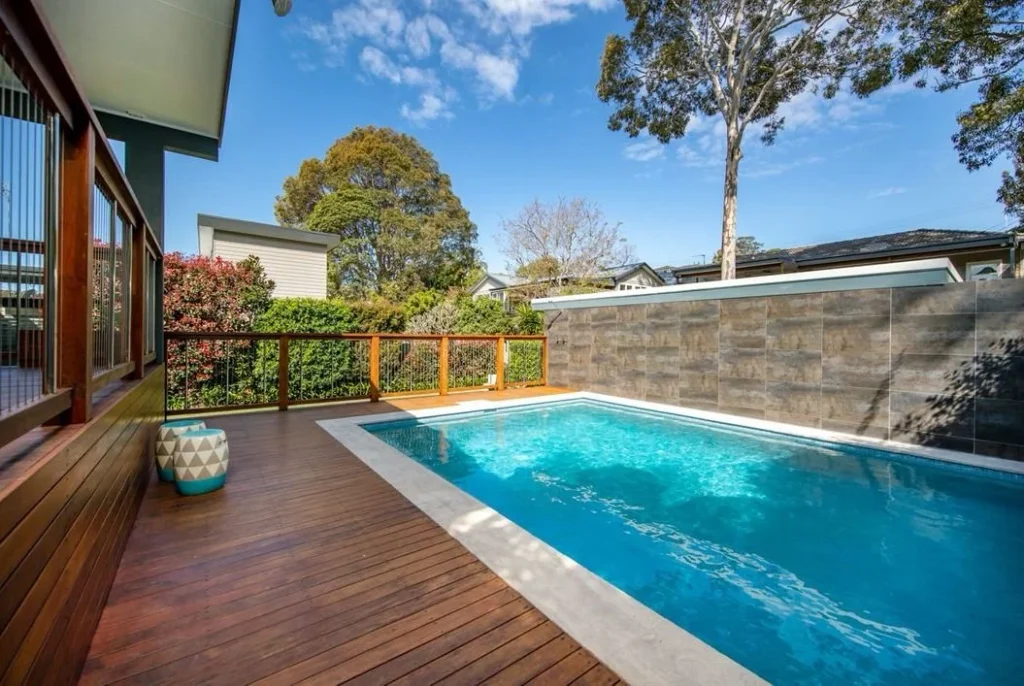
2. Appraisers rely on comparable sales, not installation cost
A pool does not automatically add whatever it cost to build. Appraisers usually look at comparable properties, often called “comps”: similar homes that recently sold nearby.
If comparable homes with pools consistently sell for more than similar homes without pools, that gives the appraiser evidence for a positive adjustment. If the local sales data shows little difference, the pool may receive only a small adjustment. If the pool is in poor condition, the adjustment can be negative.
For example, if a homeowner spends $70,000 installing a pool, that does not mean the home is worth $70,000 more. If local buyers are only paying a $25,000 premium for similar homes with pools, the market-supported value is closer to $25,000, not the original build cost.
3. Pool condition can make or break the value
A clean, modern, compliant pool can improve marketability. A neglected pool can do the opposite.
Buyers will notice:
- cracked decking
- dated tile or coping
- stained plaster
- leaking plumbing
- old pumps and filters
- damaged fencing or gates
- cloudy water
- missing safety features
- high expected repair costs
A pool that looks “move-in ready” can support the lifestyle story of the home. A pool that looks like a project gives buyers a reason to reduce their offer.
Before listing a home with a pool, sellers should consider a professional pool inspection, repair obvious defects, clean and stage the pool area, and gather service records. Maintenance history can reassure buyers that the pool has not been ignored.
In-Ground vs. Above-Ground Pools
In-ground pools
An in-ground pool has the strongest potential to add value because it is a permanent improvement to the property. Even then, the value depends on market demand, design quality, condition, safety compliance, and whether the pool fits the yard.
Common in-ground pool types include:
Concrete, gunite, or shotcrete pools: Highly customisable and durable, but often more expensive to build and maintain.
Fibreglass pools: Faster to install and often lower maintenance, but limited to pre-made shapes and sizes.
Vinyl-liner pools: Usually cheaper upfront, but the liner needs replacement over time, which buyers may factor into their offer.
No material is automatically “best” for resale. The right pool is the one that fits the property, climate, buyer expectations, and long-term maintenance budget.
Above-ground pools
An above-ground pool usually adds little or no appraised real estate value. Many buyers see it as removable personal property rather than a permanent improvement. In some cases, buyers may view it as a negative if they expect to remove it and repair the lawn or landscaping underneath.
If resale value is the goal, an above-ground pool is generally a weak investment.
Pool ROI: Added Value Is Not the Same as Profit
A pool can increase resale appeal without producing a strong return on investment.
Consider a simplified example:
A homeowner installs an in-ground pool for $70,000. When they sell, comparable sales suggest the pool supports a $35,000 higher sale price. The pool helped resale, but the owner still recovered only half of the installation cost.
That is why pool ROI is often below 100%. Installation cost is only one part of the financial picture. Owners also need to consider annual maintenance, utilities, insurance, repairs, resurfacing, equipment replacement, and safety upgrades.
Common ongoing costs include:
- cleaning and chemicals
- electricity for pumps and filters
- heating, where used
- water top-ups
- servicing and repairs
- liability insurance
- fencing, gates, covers, and alarms
- resurfacing or liner replacement over time
A pool may still be worth it if the household will use it often and enjoy it for years. But if the purpose is purely financial return, the numbers often disappoint.
When a Pool Is Most Likely to Add Value
A pool is most likely to help resale when:
- the home is in a warm climate
- pools are common in the neighbourhood
- the property is in a higher-end market where outdoor living matters
- the pool is in excellent condition
- the pool area is attractive, safe, and well-landscaped
- the pool does not consume the entire backyard
- equipment is modern and energy-efficient
- safety barriers comply with local laws
- buyers in that area expect or actively want pools
In these situations, a pool can make the home more competitive and emotionally appealing. It can help buyers imagine entertaining, relaxing, exercising, and using the backyard as an outdoor living space.
When a Pool Can Hurt Resale
A pool can work against a seller when:
- the climate limits use
- the pool is old or poorly maintained
- the pool needs major resurfacing or equipment replacement
- safety fencing is missing or non-compliant
- the backyard is too small for both a pool and usable lawn
- the neighbourhood does not support a pool premium
- local buyers are cost-conscious
- the likely buyer group includes families worried about child safety
- the pool design looks dated
- maintenance costs are unusually high
Some buyers actively avoid homes with pools. Their objections are usually practical: safety, cost, maintenance, insurance, and loss of yard space.
This does not mean a pool is always bad for resale. It means the pool must match the market.
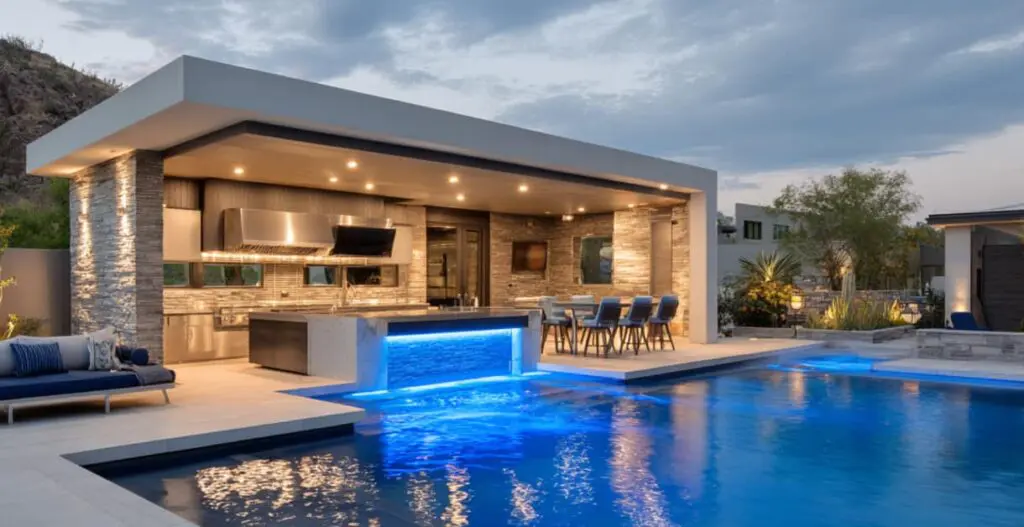
The Australian Market: Pools, Climate, and Compliance
Australia is a strong example of why local context matters. In warmer regions, especially parts of Queensland, Western Australia, South Australia and northern New South Wales, pools may be highly attractive to buyers. In cooler or more temperate markets, such as parts of Victoria or Tasmania, the value case can be more mixed because the swimming season is shorter.
Safety compliance is especially important in Australia. Pool and spa barrier laws are strict, but the exact sale and lease requirements vary by state and territory.
For example, in New South Wales, a contract for sale of a property with a swimming pool or spa must include a registration certificate and one of several documents, such as a certificate of compliance, relevant occupation certificate, or certificate of non-compliance. A buyer may then have a set period after settlement to rectify defects in some non-compliance cases.
In Queensland, the rules distinguish between selling and leasing. A property with a pool can be sold without a current pool safety certificate if the required notice of no pool safety certificate is given, but leasing generally requires a pool safety certificate to be in effect.
In Victoria, pool and spa owners must maintain compliant safety barriers, have them inspected periodically, and lodge compliance certificates with council when required. A certificate of barrier non-compliance can be issued if the barrier does not meet the applicable standard.
The key point for sellers is simple: do not assume “near enough” is good enough. A non-compliant pool barrier can delay a sale, create legal risk, or give buyers a reason to negotiate the price down. Before selling or leasing, check the current rules for your state or territory and get professional advice from a licensed conveyancer, solicitor, certifier, building surveyor, or pool safety inspector.
How to Estimate What Your Pool Is Worth
National averages are not enough. To estimate whether a pool adds value to your home, use a local process.
Step 1: Compare recent local sales
Look for similar homes sold in the same suburb, school zone, estate, or neighbourhood. Compare homes with pools against homes without pools. The closer the properties are in size, age, condition, land size, and location, the more useful the comparison.
Step 2: Ask local agents specific questions
Do not ask, “Do pools add value?” Ask:
- Are buyers in this area actively looking for pools?
- Are homes with pools selling faster?
- Are they selling for more?
- What price premium are you seeing in recent comparable sales?
- Do buyers here worry more about maintenance or safety?
- Would this pool help or hurt this specific property?
Step 3: Consider buyer profile
A pool may appeal strongly to families with older children, entertainers, fitness-focused buyers, and luxury-home buyers. It may be less appealing to downsizers, landlords, families with toddlers, or buyers who want a low-maintenance yard.
Step 4: Subtract likely repair and compliance costs
If the pool needs work, estimate those costs before assuming it adds value. Buyers will do the same. Repairs, resurfacing, fencing upgrades, equipment replacement, and landscaping can quickly reduce the pool’s net contribution to sale price.
How to Maximise a Pool’s Resale Value
If you already have a pool, focus on reducing buyer objections.
Keep it visibly well maintained
Clear water, clean paving, tidy landscaping, and working equipment matter. A buyer’s first impression is powerful. A pool that looks neglected can make the whole property feel poorly maintained.
Keep service records
A folder of service invoices, equipment warranties, inspection reports, and recent repair records helps build trust. It shows buyers the pool has been cared for properly.
Upgrade high-impact equipment
Energy-efficient pumps, modern filtration, automation, heating controls, pool covers, and saltwater systems can improve buyer perception. These upgrades do not always return their full cost, but they can reduce buyer resistance.
Fix safety and compliance issues early
Do not wait for a buyer’s inspection to reveal a fencing, gate, latch, or barrier problem. Safety defects are serious, and they can become negotiation leverage.
Stage the outdoor area
A pool sells best as part of a complete outdoor living space. Clean furniture, shade, lighting, planting, and uncluttered paving help buyers see the lifestyle value.
Should You Install a Pool Before Selling?
Usually, no.
Installing a pool just before selling is risky because installation costs are high and the resale premium is uncertain. Unless pools are strongly expected in your local market and the home is otherwise underperforming because it lacks one, a new pool is unlikely to return its full cost in the short term.
If you want a pool for your own use and plan to stay in the home for years, the decision is different. In that case, the value comes from enjoyment as well as possible resale benefit.
Before installing, get:
- at least three detailed builder quotes
- a realistic budget for landscaping, fencing, paving, drainage, electrical work, and permits
- an estimate of annual maintenance and utility costs
- insurance advice
- local resale guidance from experienced agents
- advice on safety and compliance obligations
The best pool investment is one that suits your lifestyle, your property, and your local market.
Frequently Asked Questions
Does a pool always increase home value?
No. A pool can increase value in some markets, especially warm climates and neighbourhoods where pools are expected. In other areas, it may add little value or reduce buyer interest.
How much value does a pool add?
There is no universal figure. Some sources cite broad percentage ranges, but the only reliable estimate comes from recent comparable sales in your local market.
Is a pool a good return on investment?
Usually, a pool is better viewed as a lifestyle investment than a financial one. It may increase resale appeal, but it often does not recover the full installation and ownership cost.
Is an in-ground pool better for resale than an above-ground pool?
Yes, generally. An in-ground pool is a permanent property improvement and has more potential to add value. An above-ground pool usually adds little or no appraised value.
Can a pool decrease home value?
Yes. A damaged, unsafe, non-compliant, poorly designed, or high-maintenance pool can reduce buyer demand and lead to lower offers.
What should I do before selling a home with a pool?
Get the pool inspected, fix obvious defects, confirm safety compliance, gather maintenance records, clean and stage the pool area, and ask local agents how pools are performing in your specific market.
Bottom Line
A pool can increase home value, but only when the local market supports it. The strongest value comes from a well-maintained, compliant, attractive in-ground pool in a climate and neighbourhood where buyers want pools.
For resale, the pool must make the property easier to sell, not harder. For ownership, the pool must deliver enough personal enjoyment to justify the cost. The smartest decision is based on local comparable sales, realistic maintenance costs, safety obligations, and how long you plan to use the pool before selling.