

Home staging in Australia typically costs between $1,500 and $8,000 or more, depending on the size of your property, the amount of furniture required and the length of the styling package.
Smaller homes that only need selected rooms styled can cost considerably less than large, vacant properties requiring complete furnishing.
According to the 2026 hipages home staging cost guide, basic staging commonly falls between $1,500 and $3,000, while larger full-home staging projects may cost between $3,000 and $8,000 or more.
But here’s something worth understanding before spending several thousand dollars: not every home needs professional staging, and spending more doesn’t automatically produce a better result.
The best preparation strategy depends on the condition of your home, the furniture you already own, the buyers you’re hoping to attract and the budget you have available.
At Langley + Mayfair, we believe pre-sale preparation should begin with identifying what genuinely needs improving, rather than assuming every property needs a complete makeover.
This guide looks at real published staging prices, the hidden costs that can catch sellers out, and how to decide where your money will be most useful.
What Is Home Staging?
Home staging, also called property styling, is the process of preparing a property for sale using furniture, artwork, rugs, lighting and accessories to improve how its spaces are presented.
The objective isn’t necessarily to make a home look expensive. It’s to make the layout, proportions and practical uses of the rooms easier for prospective buyers to understand.
For example:
- A correctly sized dining table can demonstrate how comfortably a dining area works.
- A bedroom with too much furniture may feel smaller than it actually is.
- A vacant living room may be difficult for some buyers to visualise.
- A cluttered spare room may be more useful when presented as a bedroom or study.
- A few carefully selected furnishings may be enough to make an existing room feel complete.
Staging is different from renovating. It doesn’t repair damaged flooring, fix leaks or resolve problems with the property’s condition.
That distinction matters when deciding how to spend your pre-sale budget.
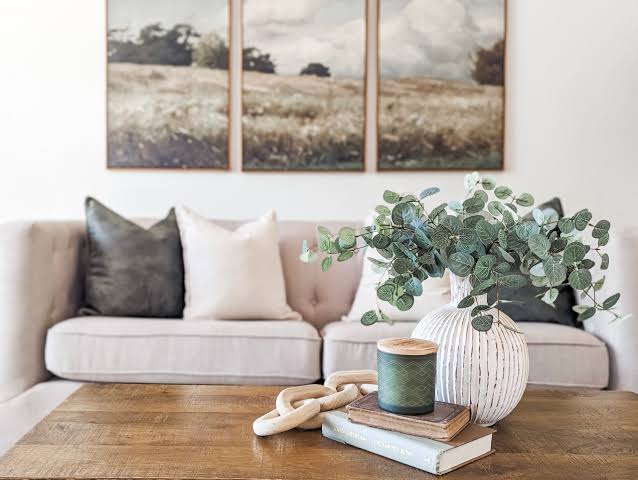
Home Staging Costs in Australia: 2026 Price Guide
The following table combines published Australian staging prices with examples from professional providers.
| Type of staging | Indicative cost | Best suited to |
|---|---|---|
| Soft styling | From approximately $1,012 including GST in one Adelaide example | Furnished homes needing decorative finishing touches |
| Partial staging | From approximately $1,800–$1,832 | Homes needing selected additional furniture |
| Basic home staging | Approximately $1,500–$3,000 | Smaller homes or a limited number of rooms |
| Full home staging | Approximately $3,000–$8,000+ | Larger or vacant homes requiring substantial furnishing |
These are indicative ranges and individual advertised starting prices, not directly comparable packages. Figures are based on published information checked in October 2026.
The important detail is what you’re receiving for the price.
One stylist may include five or six weeks of furniture hire, installation and collection. Another may offer a different hire period, fewer rooms or additional charges for access and transport.
A quote that initially looks cheaper isn’t necessarily better value.
Always compare the total price including GST, the rooms covered, delivery charges and the full hire period.
How Much Does Home Staging Cost in Adelaide?
For Adelaide homeowners, local provider pricing is often more useful than relying entirely on national averages.
Adelaide property stylist by Jamie publishes the following starting prices:
| Adelaide staging package | Before GST | Including GST |
|---|---|---|
| Soft home styling | $920 | $1,012 |
| Partial home staging | $1,665 | $1,831.50 |
| Complete staging — specified three-bedroom package | $2,330 | $2,563 |
The provider’s advertised hire period is five weeks, with a complimentary sixth week when required.
These are published package examples rather than industry-wide Adelaide averages, and the actual cost will depend on property size, room requirements and inclusions.
A three-bedroom house with one living area, for instance, may have quite different styling requirements from a three-bedroom property with a second lounge, study and outdoor entertaining area.
That’s why bedroom count alone isn’t enough to estimate your staging budget accurately.
Before requesting quotes, prepare a list of the spaces you want assessed and take photographs of the furniture currently in each room.
What Actually Affects the Cost of Home Staging?
1. How much furniture you already own
This can be one of the biggest factors influencing the amount of staging required.
If your home already has suitable furniture in good condition, a stylist may be able to work with most of it.
You could potentially retain your existing sofa, dining table and beds, while adding hired artwork, rugs, lighting, linen and accessories.
However, retaining furniture doesn’t automatically make the job inexpensive. Partial staging still requires planning, styling, transport, installation and collection.
The question to ask isn’t simply, “How much furniture can we hire?”
It’s “Which items actually need to change for the rooms to present well?”
2. The number of rooms being styled
A four-bedroom home doesn’t automatically require all four bedrooms to receive the same level of styling.
The main living area, principal bedroom and dining space may be the most important places to assess, depending on the property.
Additional rooms such as a study, second lounge, guest bedroom or outdoor entertaining area should be considered according to how they contribute to the overall presentation.
Ask your stylist for a room-by-room breakdown.
The term “full staging” doesn’t necessarily mean every space in the home will receive furniture.
3. Whether the property is vacant or occupied
An occupied property can sometimes be styled using existing furniture.
An empty property generally needs more hired items if buyers are to see furnished living, dining and bedroom spaces.
That can mean larger costs for furniture rental, transport, installation and removal.
However, an empty property doesn’t always need every room furnished.
For a vacant home, consider which spaces are hardest for buyers to visualise without furniture and which spaces are already easy to understand.
4. Access, parking and delivery requirements
Transport and installation logistics can affect staging prices.
Let your stylist know about:
- Stairs and upper-floor rooms.
- Narrow hallways and doorways.
- Restricted street parking.
- Apartment lift bookings.
- Difficult loading access.
- Long distances from the delivery vehicle to the property.
These details are easy to overlook, particularly when comparing quotes online.
5. How long you need the furniture
Furniture hire is generally provided for an agreed period.
A property that takes longer to sell may need an extension, which can add significantly to the original staging cost.
It’s worth coordinating furniture installation, professional photography and the advertising campaign so that you’re not using up valuable hire time unnecessarily.
The Hidden Cost of Home Staging: Extended Furniture Hire
One of the most useful questions to ask before signing a staging agreement is:
“What happens if my property hasn’t sold by the end of the hire period?”
Some providers charge an additional weekly fee to retain the furniture.
For example, Adelaide company Styled. Home Staging publishes a standard hire period of up to six weeks, with extensions charged at 15% of the total hire fee per week.
To illustrate how this works, consider the following hypothetical example.
Example: A $3,000 staging package
| Expense | Amount |
|---|---|
| Original staging fee | $3,000 |
| Weekly extension at 15% | $450 |
| Two additional weeks | $900 |
| Total including extensions | $3,900 |
This is an illustrative calculation based on the published extension percentage, not an actual project or quote. GST treatment and the amount to which the extension rate applies must be confirmed with the provider.
In this example, two extra weeks increase the total cost by 30%.
That’s a meaningful difference when you’re already paying for advertising, moving and other sale-related expenses.
Before booking, request the total payable if the campaign runs two weeks beyond the included hire period.
Is Home Staging Worth It When Selling a House?
It can be, but the value depends on what the staging actually achieves.
Professional styling can be particularly useful when a property has a clear presentation challenge.
For example, a vacant living room might benefit from furniture that demonstrates how a lounge and dining arrangement could work. A home containing oversized furniture may benefit from removing or replacing a few pieces to make the layout easier to understand.
But there are also situations where a simpler approach may be more appropriate.
If the property is already furnished attractively, is clean and has a functional layout, additional styling may provide less benefit than addressing maintenance problems or improving photography.
Rather than assuming staging will increase the sale price by a particular percentage, ask what presentation problem it is solving.
No reliable adviser can guarantee exactly how much extra a specific property will sell for because it has been staged.
The same property cannot be sold twice under identical market conditions to establish a precise comparison.
Property condition, asking price, competition, buyer demand and the quality of the sales campaign all influence the outcome.
Staging should therefore be considered part of your overall selling strategy, not a guaranteed investment return.
Should You Spend $3,000 on Staging or Repairs?
This is where careful pre-sale planning becomes especially important.
Imagine a homeowner has $3,000 available to improve their property’s presentation.
The home already has reasonable furniture, but several walls are scuffed, the garden is untidy and a damaged door needs attention.
There are at least two possible approaches.
Option A: Spend the full $3,000 on professional staging.
The property may look more cohesive, particularly in photographs, but the visible maintenance concerns remain.
Option B: Address the condition issues first, then assess whether limited styling is required.
The homeowner could obtain quotes for repairs, cleaning and garden maintenance, keep suitable existing furniture and consider selected styling only if the remaining budget allows.
Neither option guarantees a higher sale price. But Option B addresses problems that rented furniture cannot conceal or repair.
This is a hypothetical decision example, not a claim about an actual Langley + Mayfair project.
The principle is straightforward: don’t spend your entire preparation budget decorating around problems that should have been fixed.
For more guidance on making these decisions, read our article on what not to fix when selling your house.
Which Rooms Should You Stage First?
If your budget doesn’t allow you to style the whole property, prioritising rooms can make sense.
There is no universal rule, but the following order provides a useful starting point for an assessment.
Main living area
Buyers should be able to understand where furniture fits, how people can move through the room and how the space connects to other areas.
Oversized furniture, blocked walkways and excessive clutter can make an otherwise practical room difficult to appreciate.
Main bedroom
A correctly sized bed, clear circulation space and simple furnishings can help demonstrate the bedroom’s usable dimensions.
This doesn’t necessarily mean replacing everything.
Fresh linen, reduced clutter and repositioned furniture may be sufficient.
Dining area
An appropriate dining table can help communicate how many people can comfortably use the space without obstructing access.
For some properties, this may be more useful than decorating additional bedrooms.
Outdoor entertaining area
An outdoor area can be an important part of a property’s appeal, particularly where it provides a practical extension of the living space.
If the area is functional but empty, a modest furniture setting may help buyers understand its purpose.
However, prioritise maintenance, cleaning and garden presentation before hiring decorative items.
Additional bedrooms and studies
These can be assessed individually rather than automatically furnishing them all.
A small room may benefit from demonstrating one clear function instead of trying to accommodate several furniture pieces.
How to Reduce Home Staging Costs Without Compromising Presentation
The goal isn’t to spend as little as possible regardless of the result.
It’s to avoid paying for changes that don’t meaningfully improve the property.
Here are seven practical ways to control your costs.
- Use existing furniture where suitable. Ask which items can stay before agreeing to a complete furniture replacement.
- Request a targeted styling quote. Identify the specific rooms requiring improvement instead of assuming the whole house must be staged.
- Declutter before the assessment. Removing unnecessary items can reveal the usable space and make it easier to decide what additional furniture is required.
- Complete repairs first. Finish painting, flooring repairs, electrical work and other trades before hired furniture arrives.
- Compare hire periods. A more expensive package with a longer included hire period might cost less overall if your sales campaign takes longer than expected.
- Coordinate professional photography. Arrange the installation and photography schedule with your real estate agent to avoid wasting furniture hire time.
- Don’t buy decorative accessories prematurely. Rugs, cushions, lamps and artwork can add up. Some may not suit the final presentation plan or may already be included in a hire package.
For projects involving multiple trades, see our guide on who organises trades when you renovate before selling.
What Should You Check Before Accepting a Home Staging Quote?
Two quotes with similar prices can provide very different services.
Before agreeing to a package, confirm:
- Exactly which rooms are included.
- Whether furniture, artwork, lighting and accessories are supplied.
- Whether the total includes GST.
- Whether transport, installation and collection are included.
- The number of weeks of furniture hire.
- When the hire period officially begins.
- The cost of each additional week.
- Whether moving or storing your existing furniture is included.
- Whether you can continue living in the property.
- Insurance and responsibility for accidental damage.
- Cancellation and rescheduling fees.
- When the hired furniture will be removed following the sale.
A useful comparison method is to calculate the total cost for the same set of rooms and the same campaign length, rather than comparing only the advertised starting prices.
Home Staging Cost Comparison: How to Choose Between Two Quotes
Suppose two stylists quote for the same property.
| Stylist A | Stylist B | |
|---|---|---|
| Initial package | $2,400 | $2,800 |
| Included hire | 4 weeks | 6 weeks |
| Extension fee | $300/week | $200/week |
| Total after 6 weeks | $3,000 | $2,800 |
These are invented numbers used solely to illustrate a quote-comparison method. They are not advertised prices or real project quotations.
At first glance, Stylist A appears $400 cheaper.
But for a six-week campaign, Stylist B would cost $200 less.
This doesn’t automatically make B the better choice. You would still need to compare the furniture, rooms, service quality and contract conditions.
It does show why focusing exclusively on the initial staging fee can lead to a misleading comparison.
Common Questions About Home Staging Costs
We get these questions from our clients all the time.
How much does it cost to stage a three-bedroom house in Australia?
Costs vary considerably according to the property and the package. Adelaide provider by Jamie advertises a specified three-bedroom complete staging package from $2,563 including GST. Property Styling Melbourne’s published pricing guide lists three-bedroom styling from $3,800 including GST. The services and geographic markets differ, so neither figure should be treated as a national average.
Is home staging worth it for a small house?
Potentially. Staging may help demonstrate a small property’s layout and furniture capacity, especially where the rooms are empty or crowded. However, a small house with well-proportioned existing furniture may need very little additional styling.
Can you stage a home while you’re still living in it?
Yes, depending on the provider and styling arrangement. Partial styling can sometimes work with a homeowner’s existing furniture, while some fully staged properties cannot be occupied. Always check the agreement before booking.
How long does home staging furniture stay in a property?
Hire periods vary. Some published Adelaide packages allow five or six weeks, while others can be extended for an additional charge. Confirm the start date and weekly extension costs before committing.
Can I stage my home myself?
Yes. Decluttering, improving furniture placement, cleaning thoroughly and removing unnecessary accessories can help with presentation. Professional staging becomes more relevant where suitable furniture is unavailable or more extensive changes are required.
Do I get a refund if my house sells quickly?
Not necessarily. Some styling providers charge for the agreed hire period even when the property sells before it expires. Ask specifically about early collection and refunds before signing.
Is virtual staging cheaper than physical staging?
Virtual staging involves digitally adding furniture to property photographs rather than physically furnishing rooms. Prices and service inclusions vary. It can help buyers visualise a space online, but it doesn’t change what they see at an in-person inspection. Digitally altered photographs should also be identified and presented accurately.
Before Paying for Home Staging, Look at the Whole Property
A well-presented home isn’t necessarily one filled with expensive hired furniture.
Sometimes the most useful improvement is removing furniture rather than adding it. Sometimes it’s improving lighting or making better use of an existing layout. In other cases, cleaning, maintenance or carefully planned repairs should come before styling.
For homeowners preparing to sell, these decisions are best made together rather than treating staging as a separate expense.
Start with three questions:
- What is currently preventing the property from presenting at its best?
- Which improvements are necessary, and which are optional?
- How can the available preparation budget be allocated most effectively?
Professional staging may be part of the answer, but it shouldn’t automatically be the starting point.
Preparing Your Adelaide Home for Sale? Talk to Langley + Mayfair
At Langley + Mayfair, our focus is helping Adelaide homeowners make informed decisions about preparing their properties for sale.
Our pre-sale makeover services bring property condition, renovation work and presentation into the same planning process.
Whether you’re considering cosmetic improvements, repairs or professional styling, the first priority is understanding what your property needs and what fits your budget.
Before spending thousands on home staging, talk to us about the bigger picture.
Explore our pre-sale makeover services and get in touch to discuss your property.
Pricing sources
Published pricing and service information reviewed October 2026:
- hipages — Home Staging Costs in Australia
- by Jamie — Adelaide Home Staging Packages
- Property Styling Melbourne — Pricing Guide
- Styled. Home Staging — Frequently Asked Questions
Published rates can change. Always obtain a current written quotation before committing to a service.