

When you are preparing a property for sale, the garden is not just a finishing touch. It is part of the first impression buyers form before they step through the front door.
A tidy, well-presented outdoor space can make a home feel cared for, easier to maintain, and more ready to move into. A neglected garden can do the opposite. Overgrown shrubs, tired lawns, blocked paths, dead plants, poor drainage, or broken irrigation can make buyers wonder what else has been neglected.
For Adelaide sellers, garden preparation needs to suit local conditions. Adelaide has a Mediterranean-style climate, with cool to mild wet winters and warm to hot dry summers, and most rainfall falls between April and October. That means a sale-ready garden should not just look good on photography day; it should look realistic for South Australian conditions, with water-wise plant choices, sensible soil preparation, and a low-maintenance finish.
This guide explains how to prepare an Adelaide garden before listing, what to prioritise, what to avoid, and how to time the work before real estate photography and open inspections.
Why the Garden Matters Before You Sell
Buyers make fast judgements. A clean front garden, sharp lawn edges, fresh mulch, clear paths, and healthy planting all send the same message: this property has been looked after.
That matters because outdoor presentation influences both emotional appeal and perceived maintenance. A buyer may not consciously calculate the cost of weeding, pruning, lawn repair, or pressure cleaning, but they will notice when the outside feels like work. The aim of pre-sale gardening is to remove that friction.
This does not mean spending heavily on a full landscape redesign. In most cases, the best return comes from targeted preparation: cleaning, pruning, edging, repairing visible issues, improving tired garden beds, and making outdoor areas feel usable.
International real estate research supports the importance of exterior presentation. The National Association of Realtors’ outdoor-remodelling research consistently identifies lawn care, landscape maintenance, and exterior improvements as projects that can improve buyer appeal and owner satisfaction, although results vary by market and property type. Treat those figures as useful guidance, not a guarantee of a higher sale price in Adelaide.
Pre-Sale Garden Staging Is Different From Landscaping
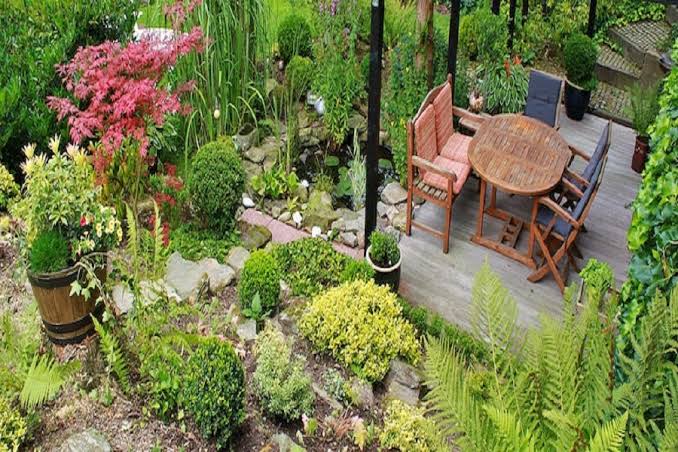
Pre-sale garden staging is not the same as designing your dream garden.
A long-term landscape design can reflect personal taste. A sale-focused garden should appeal to the widest practical buyer group. It should feel clean, spacious, healthy, and easy to maintain. The goal is to help buyers imagine themselves using the space without feeling they are inheriting a project.
The strongest pre-sale gardens usually follow a few simple principles.
First, create space. Prune shrubs away from windows, paths, driveways, and entertaining areas. Open sightlines from the street to the front door. Let light into dark corners. A courtyard, verandah, or small backyard can feel much larger when overgrown planting is cut back.
Second, make the lines crisp. Lawn edges, garden bed borders, paved paths, driveways, and retaining edges should look deliberate. Clean lines suggest order and low maintenance.
Third, show plant health. Remove dead, diseased, struggling, or badly placed plants. A half-dead shrub near the entry can do more damage than an empty space with fresh mulch.
Fourth, use colour carefully. A few pots of seasonal colour near the entry, verandah, or alfresco area can lift the photos. Avoid planting a busy mix of high-maintenance flowers that will need constant watering or replacement.
Finally, depersonalise the garden. Remove broken pots, unused equipment, old furniture, children’s toys, half-finished DIY projects, novelty ornaments, and anything that distracts from the property itself.
The Adelaide Context: Climate, Soil, and Buyer Expectations
Adelaide gardens need to be prepared with local conditions in mind.
The city’s hot, dry summers can quickly expose weak lawns, thirsty plants, and poor irrigation. Winters and spring are usually more forgiving for plant establishment because rainfall is more reliable. If you are selling in summer, the garden needs to look resilient, not freshly overplanted with thirsty species that will struggle through heat.
Soil conditions vary across metropolitan Adelaide. The Adelaide Plains are commonly associated with clay-limestone soils that are often neutral to alkaline near the surface and more alkaline with depth. Other areas include sandy soils, sand over clay, heavier clays, and local variations in the foothills, coast, and southern suburbs. South Australia’s environment department notes that sandy textured soils often have low fertility and limited water-holding capacity, while water repellence can reduce water uptake and cause patchy plant growth.
That is why generic garden advice is risky. A sale-ready Adelaide garden should account for:
- hot, dry periods and water stress
- alkaline or clay-influenced soils in many suburbs
- sandy or coastal soils in some locations
- drainage issues in heavier soils
- water-wise planting expectations
- local buyer preference for usable outdoor living spaces
South Australian native plants can be a strong choice because many are water efficient, attractive, and adapted to local soils when matched to the right location. SA Water recommends choosing species suited to the soil type and local environment, noting that coastal settings, Adelaide Hills sites, and other areas can require different plant choices.
What to Prioritise in an Adelaide Pre-Sale Garden Makeover
A good pre-sale garden makeover is not about doing everything. It is about choosing the work that buyers will notice most.
1. The Front Garden and Entry Path
The front garden is the highest-priority area because it shapes the first impression and appears prominently in listing photos.
Focus on the path from the street or driveway to the front door. It should be clean, safe, and easy to follow. Trim plants away from the walkway, remove weeds from paving joints, pressure clean stained surfaces where appropriate, and make sure the entry feels open and welcoming.
Add fresh mulch to front beds, tidy any lawn, clean the letterbox, remove cobwebs, and consider a pair of simple pots near the door. Avoid overdecorating. The front entry should frame the house, not compete with it.
2. Lawns
A healthy lawn can make a property feel fresher and more family-friendly, especially in suburbs where outdoor space is a major selling point.
Start with the basics: mow, edge, remove weeds, rake debris, and repair obvious bare patches. If there is enough time before photography, lawn fertilising, wetting agents, aeration, or topdressing may help. For badly damaged lawns, new turf may be an option, but only if there is enough time for establishment and watering.
Do not lay new lawn days before photography unless it can be presented properly. Fresh turf with visible seams or stressed edges can look rushed.
3. Pruning and Plant Removal
Overgrown shrubs are one of the easiest ways to make a garden feel smaller and older than it is.
Prune plants away from windows, eaves, fences, gates, paths, driveways, and entertaining areas. Remove dead wood and crossing branches. Shape hedges cleanly. If a plant is too large for its position or blocks a key feature of the home, removal may be better than aggressive pruning.
For established trees, use a qualified arborist where needed, especially if branches are large, close to the house, near powerlines, or structurally questionable.
4. Mulch and Garden Beds
Fresh mulch is one of the highest-impact visual upgrades because it instantly makes garden beds look cleaner and more cared for.
Before mulching, remove weeds, dead leaves, rubbish, and old plastic edging. Do not simply cover weeds and hope they disappear. Apply mulch evenly and keep it away from direct contact with trunks and stems.
For Adelaide conditions, choose mulch that suits the garden style and water needs. In exposed summer conditions, mulch helps reduce evaporation and protect soil, but it should be paired with sensible watering and appropriate plant selection.
5. Irrigation and Watering Systems
A working irrigation system can reassure buyers, particularly in Adelaide’s dry months.
Check each station manually. Look for broken heads, blocked drippers, leaks, dry patches, overspray onto paving, and uneven coverage. Reprogram the controller if needed and keep the settings simple enough to explain during the sale campaign.
If there is no irrigation, focus on realistic presentation. Use hardy plants, group pots where they can be hand-watered easily, and avoid installing a complicated system unless it solves a real problem and can be completed neatly before listing.
6. Outdoor Living Areas
Adelaide buyers often value usable outdoor space, whether it is a courtyard, verandah, deck, pergola, balcony, or backyard entertaining area.
Treat these areas like outdoor rooms. Clean the paving or decking, remove clutter, wash outdoor furniture, replace tired cushions if necessary, and arrange furniture to show how the space can be used.
A small table and chairs can help a courtyard feel functional. A larger alfresco area may benefit from defined dining and lounging zones. Keep the styling simple and neutral.
7. Hard Surfaces and Structures
Dirty paving, stained driveways, faded decks, cracked pavers, leaning fences, and tired retaining walls can undermine an otherwise tidy garden.
Pressure cleaning can make a major difference, but use care on older brick, soft stone, painted surfaces, timber, and mortar joints. Repair obvious trip hazards before opens. Oil or stain timber decking if it is structurally sound but visually tired.
Small repairs matter because buyers often notice defects at ground level while walking through a property.
Adelaide-Friendly Planting for Sale Preparation
For a pre-sale garden, the safest planting strategy is simple: choose plants that look healthy, suit the site, and will not demand intensive care from the next owner.
South Australian native and water-wise plants are often suitable, but they still need to match the soil, sun exposure, wind, and suburb. SA Water advises selecting natives according to local soil type and environment rather than assuming every native plant suits every location.
For many Adelaide properties, suitable options may include compact forms of:
- Westringia
- Correa
- Eremophila
- Grevillea
- Callistemon
- Dianella
- Lomandra
- Myoporum
- Acacia varieties suited to the site
- hardy Mediterranean-style plants where appropriate
Before planting, check whether a species is suitable for South Australia and avoid plants with weed potential. Green Adelaide recommends checking that non-local species are not considered weeds in South Australia.
For fast pre-sale impact, pots can be better than new garden-bed planting. They allow you to add colour and structure near the entry or entertaining area without disturbing established beds or relying on new plants to settle quickly.
A Practical Timeline Before Photography
Timing matters. The garden should peak for listing photography and remain manageable through open inspections.
6 to 8 Weeks Before Photography
Use this window for heavier work.
Complete major pruning, tree work, plant removal, lawn renovation, irrigation repairs, drainage improvements, paving repairs, fence repairs, and new turf if required. This gives the garden time to recover before photos.
If selling in spring, begin planning during late winter where possible. If selling in summer, plan earlier so lawns and new planting are not trying to establish during peak heat.
3 to 5 Weeks Before Photography
Move into refinement.
Topdress or fertilise lawns where appropriate. Improve tired garden beds. Plant hardy replacements where needed. Add soil improvers suited to the site. Repair small gaps in hedges or screening. Confirm irrigation is working evenly.
This is also the time to book contractors, because pre-sale work often needs to align with the real estate photographer, stylist, agent, and first open inspection.
1 to 2 Weeks Before Photography
Focus on presentation.
Mulch garden beds, weed thoroughly, clean paths, wash outdoor furniture, tidy pots, remove clutter, and complete final pruning. Avoid major cutting at this stage unless absolutely necessary, because heavy pruning can leave plants looking bare.
1 to 3 Days Before Photography
Do the final polish.
Mow and edge the lawn. Sweep paving. Remove leaves. Wipe outdoor surfaces. Check that pots are watered and healthy. Put bins, hoses, tools, bags of potting mix, and loose garden waste out of sight.
For open inspections, repeat the light tidy before each viewing.
What Not to Do Before Selling
Some garden work adds value. Some work adds cost, risk, or maintenance without helping the sale.
Avoid starting a major landscape redesign unless the existing garden is genuinely damaging the property’s appeal. A half-finished redesign is worse than a simple tidy garden.
Avoid very thirsty planting, especially before a summer campaign. Buyers may see it as expensive to maintain.
Avoid overpersonalised features such as highly themed gardens, unusual ornaments, or complex planting schemes. The garden should support the house and lifestyle, not draw attention to the seller’s taste.
Avoid hiding problems. Do not mulch over drainage issues, cover broken irrigation, or place pots over cracked paving. Buyers and building inspectors may notice, and it can reduce trust.
Avoid unsupported sale-price assumptions. A better garden can improve presentation and buyer appeal, but it cannot overcome poor pricing, structural issues, weak marketing, or market conditions.
Working With an Adelaide Gardening or Landscaping Service
A professional pre-sale gardening service can be worthwhile when the work is too heavy, time-sensitive, or specialised to manage yourself.
Look for a provider who understands sale preparation, not just regular maintenance. Pre-sale work is about prioritising visible impact, timing, and buyer perception.
A good provider should offer:
- an on-site inspection
- an itemised quote
- clear timing before photography
- pruning, mowing, edging, weeding, mulching, and clean-up
- green waste removal
- irrigation checks if relevant
- plant recommendations suited to Adelaide conditions
- public liability insurance
- before-and-after examples of similar work
Ask direct questions:
- Have you prepared gardens for property sale campaigns before?
- What would you prioritise if the budget is limited?
- Will the quote include green waste removal?
- Can you complete the work before photography?
- Are you insured?
- Which plants or soil improvements suit this suburb and site?
The right contractor should be able to explain what they would do, why it matters for the sale, and what is not worth spending money on.
Budget Priorities: Where to Spend First
If the budget is limited, focus on visible, low-risk improvements.
Start with garden cleanup: remove weeds, rubbish, dead plants, old pots, unused materials, and green waste.
Next, sharpen the structure: mow, edge, prune, define garden beds, clear paths, and open views to the house.
Then improve surface presentation: mulch beds, pressure clean suitable hard surfaces, wash outdoor furniture, and tidy the entry.
Only after those tasks are complete should you consider new plants, new turf, decorative pots, or more substantial repairs.
A simple rule helps: spend first on anything that makes the property look cleaner, safer, healthier, and easier to maintain.
Adelaide Pre-Sale Garden Checklist
Before photography, check the garden from the street, driveway, front door, main living area, and backyard.
Ask:
- Can buyers clearly see and approach the front door?
- Are lawn edges sharp?
- Are paths, paving, and driveways clean?
- Are dead or struggling plants removed?
- Are shrubs blocking windows, light, or access?
- Are garden beds weeded and freshly mulched?
- Does the irrigation system work?
- Are outdoor entertaining areas clean and usable?
- Are fences, gates, steps, decks, and pavers safe?
- Is all green waste removed?
- Would the garden look manageable to a buyer?
Then look at the space through a camera. Real estate photos flatten detail and exaggerate mess. What feels acceptable in person may look cluttered online.
Final Thoughts
Preparing an Adelaide garden for sale is not about creating a perfect garden. It is about creating confidence.
A well-presented garden tells buyers the property has been maintained. It makes the home feel more inviting in photos, more comfortable at inspections, and easier to imagine living in. The best results usually come from practical work: clean lines, healthy plants, open access, fresh mulch, working irrigation, tidy lawns, and usable outdoor spaces.
For Adelaide homes, the strongest garden presentation also respects local conditions. Choose water-wise plants, understand the soil, plan around hot dry summers, and avoid high-maintenance upgrades that may look good for one week but struggle through the campaign.
Done well, pre-sale garden preparation can turn the outside of the property from a liability into one of its strongest selling features.
Commonly Asked Questions
Read common questions we get asked.
How much value can garden preparation add before selling?
There is no reliable single percentage that applies to every Adelaide property. Garden preparation can improve first impressions, photography, buyer confidence, and perceived maintenance, but the final sale result also depends on pricing, location, property condition, market demand, and campaign quality.
The safest way to think about pre-sale gardening is not as a guaranteed return, but as a presentation investment that helps the property compete better.
What are the best low-budget garden improvements before selling?
Start with weeding, mowing, edging, pruning, green waste removal, fresh mulch, and cleaning paths or driveways. These jobs are usually more effective than buying lots of new plants.
If you have a small extra budget, add a few healthy pots near the front door or outdoor entertaining area.
When should I prepare the garden before listing?
Begin planning 4 to 8 weeks before photography if the garden needs heavy work, lawn repair, pruning, irrigation fixes, or new planting.
For a lighter cleanup, 1 to 3 weeks may be enough. The final mow, edge, sweep, and tidy should happen just before photography and again before each open inspection.
Should I install new plants before selling?
Only where they solve a visible problem. New planting can help fill gaps and freshen an entry, but it should suit the site and be easy to maintain. In many cases, pots provide faster and safer impact than planting directly into tired garden beds.
Do Adelaide gardens need irrigation before sale?
Not always, but a working irrigation system can be a positive feature, especially during dry months. If a system already exists, make sure it works properly. If there is no system, focus on water-wise presentation rather than installing something rushed or overly complex.