

Painting before you sell is not about decorating the home for your personal taste. It is about removing buyer objections, improving presentation in photos and open inspections, and helping the property feel clean, well maintained, and move-in ready.
For Adelaide homeowners, the right painting strategy depends on more than colour trends. You need to consider the age of the home, the suburb, the local buyer profile, the condition of exterior surfaces, Adelaide’s heat and UV exposure, and whether the property is close enough to the coast for salt air to accelerate wear.
This guide is written for homeowners preparing to sell in Adelaide, South Australia. It focuses on practical, evidence-informed decisions: what to paint, what to leave alone, which colours are safest, where professional help matters, and how to avoid spending money that will not improve the sale outcome.
Why Painting Matters Before Selling in Adelaide
A fresh paint job can help a property present as cleaner, brighter, and better maintained. That matters because buyers often make quick judgements from online photos, street appeal, and the first few minutes of an inspection.
South Australia’s own selling guidance notes that agents may offer or recommend services such as painting, gardening, or styling as part of preparing a property for sale. That does not mean every home needs a full repaint, but it confirms that presentation work is a normal part of the selling process in this market.
The goal is not to guarantee a higher sale price. No paint colour can do that. Market conditions, location, land size, school zones, buyer demand, interest rates, and the condition of the whole property all matter. The realistic goal is to make the home easier for more buyers to like.
Good pre-sale painting can help with four things:
- First impressions: Fresh paint makes a home feel cared for.
- Photography: Neutral, clean walls usually photograph better.
- Buyer imagination: Buyers can more easily picture their own furniture in a neutral space.
- Objection removal: Buyers are less likely to mentally deduct the cost and hassle of repainting.
Start With a Selling Strategy, Not a Paint Colour
Before choosing paint, ask your agent or property stylist one question:
“Which parts of this home are likely to stop buyers from making a strong offer?”
That answer should guide the painting budget.
In Adelaide, a 1960s cream-brick home in the north-east, a sandstone villa in Unley, a coastal home in Henley Beach, a courtyard home in Norwood, and a newer build in Mount Barker may all need different paint decisions.
Do not repaint just because “fresh paint adds value.” Repaint when it solves a visible problem.
Good reasons to paint before selling include:
- walls are scuffed, marked, yellowed, or patchy
- strong personal colours distract from the home
- different rooms have mismatched colour schemes
- ceilings look dull or stained
- trim, skirting boards, doors, or frames are chipped
- exterior paint is peeling, chalking, faded, or cracking
- the front door looks tired in listing photos
- buyers are likely to see the home as poorly maintained
Bad reasons to paint include:
- copying an overseas paint trend without checking the home’s light and finishes
- repainting perfectly good neutral rooms
- painting over serious moisture, salt damp, mould, or render failure without fixing the cause
- spending heavily on colours that suit your taste but narrow buyer appeal
The Adelaide-Specific Factors Homeowners Should Consider
1. Adelaide Light Is Harsh
Adelaide’s bright sun can make cool whites look stark and grey undertones look flat. A colour that looks soft on a sample card can feel cold or clinical in a north-facing room with strong daylight.
For interiors, many Adelaide homes suit warm whites, soft greiges, and gentle stone neutrals better than sharp, blue-based whites.
Safe interior directions include:
- warm white
- soft off-white
- light greige
- warm pale grey
- muted stone
- very soft beige
Avoid using a pure brilliant white throughout the home without testing it. It can work in modern homes with clean finishes, but in older Adelaide homes with timber floors, cream brick, terracotta, or sandstone, it can feel too stark.

2. Coastal Suburbs Need More Exterior Care
Homes in suburbs such as Glenelg, Henley Beach, Grange, West Beach, Semaphore, Largs Bay, Brighton, Seacliff, and Marino face extra exposure from salt air, wind, and UV. Local painting guidance for coastal Adelaide notes that salt-laden winds and west-facing UV can accelerate paint failure, especially on exposed walls and aluminium frames.
For coastal properties, exterior painting should not be treated as cosmetic only. It is also protective maintenance.
Pay close attention to:
- west-facing walls
- fascia and eaves
- window frames
- metal balustrades and gates
- timber trims
- rendered walls with cracking or bubbling
- front doors exposed to afternoon sun
If the exterior is badly degraded, a quick cosmetic coat may look good for photos but fail soon after sale. That can create buyer concern during inspections or building checks.
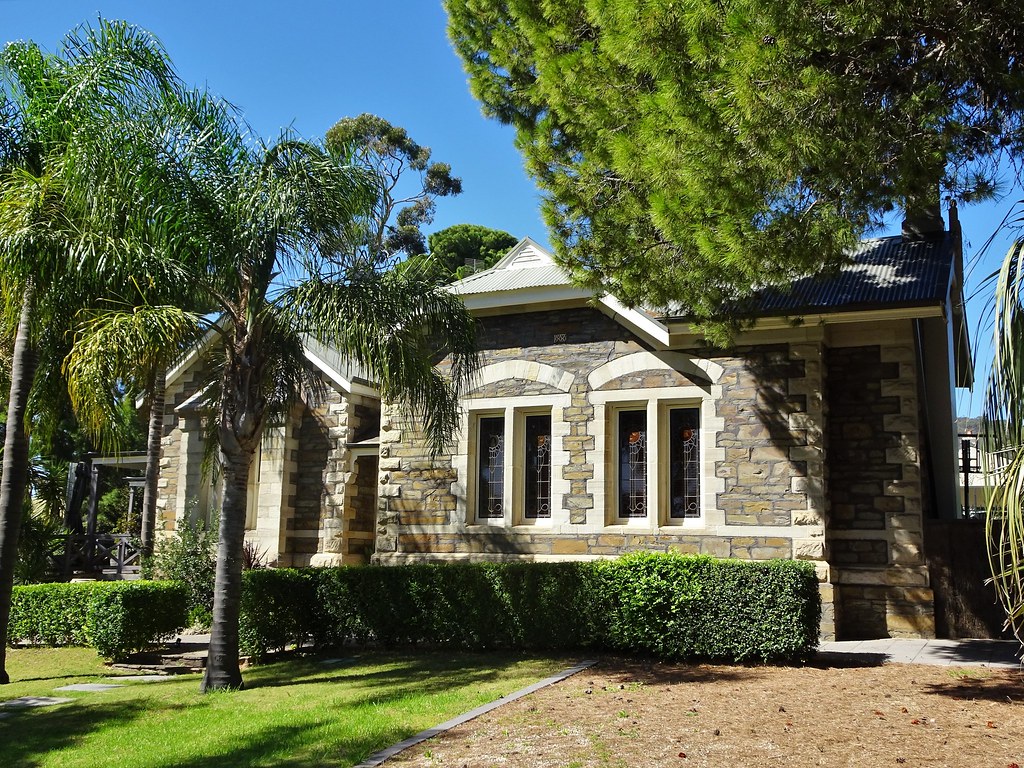
3. Older Adelaide Homes May Have Lead Paint
Many Adelaide homes were built or painted before modern restrictions on lead-based paints. SA Health warns that older homes may pose lead exposure risks during renovation or paint removal, and recommends using contractors experienced in lead paint removal where lead paint may be present.
This is especially relevant for older villas, bungalows, maisonettes, cottages, and post-war homes.
Be cautious if the home has:
- peeling old paint
- thick layers of paint on timberwork
- powdery or chalky paint
- painted windows, doors, verandah posts, or trims from older renovations
- flaking exterior paint around children’s play areas
- paint dust from sanding
Do not dry-sand unknown old paint. Do not pressure-wash flaking old paint without checking the risk. If in doubt, test first or use a qualified professional.
4. Preparation Matters More Than the Paint Brand
A neat finish comes mostly from preparation. Master Painters Australia of South Australia refers to painting to manufacturer specifications and Australian Standard AS/NZS 2311:2009 for painting work, including proper coating systems for new surfaces.
For a seller, this means the quote should not just say “paint walls.” It should clearly state what preparation is included.
A good pre-sale painting scope should mention:
- washing or cleaning surfaces
- filling nail holes and dents
- sanding repairs smooth
- scraping loose paint where required
- treating stains before painting
- caulking gaps around trim
- priming patched, stained, bare, glossy, or problem surfaces
- number of coats
- paint brand and product line
- sheen level
- areas excluded from the quote
If the cheapest quote skips preparation, it may cost more later through visible defects, poor adhesion, or rushed touch-ups before photography.
Where Painting Usually Gives the Best Return
The best return usually comes from painting areas buyers notice first and judge hardest.
Priority 1: Entry, Hallway, and Main Living Areas
These areas set the tone. If the entry or main living space feels dark, scuffed, or dated, buyers may carry that impression through the rest of the inspection.
Paint these areas if:
- the walls are marked or patchy
- the colour is dark or highly personal
- the home feels visually inconsistent
- old picture hooks, dents, or repairs are visible
- the ceilings look dull compared with the walls
For Adelaide homes with open-plan living, one consistent neutral throughout the entry, hallway, kitchen, dining, and lounge areas usually works better than multiple feature colours.
Priority 2: Kitchen and Bathroom Walls
Kitchens and bathrooms are “judgement rooms.” Buyers often use them to assess whether the home feels maintained.
Painting can help if the cabinetry, benchtops, or tiles are dated but still functional. A clean wall colour can reduce visual clutter and make older finishes feel more intentional.
For bathrooms, soft whites, warm greys, muted blue-greys, and pale spa-like colours can work well. Overseas data from Zillow has previously found buyer preference effects around bathroom colours, including blue-toned bathrooms, but this should be treated as a useful signal rather than a guaranteed result in Adelaide.
Avoid strong bathroom colours unless they clearly suit the tile, vanity, and natural light.
Priority 3: Trim, Doors, and Skirting Boards
Fresh trim can make an older home feel sharper without repainting every wall.
Paint trim if:
- skirting boards are chipped
- door frames are yellowed
- internal doors are marked
- gloss paint has gone dull
- old touch-ups are visible
Use a durable semi-gloss or gloss product on trims and doors. This gives a cleaner finish and is easier to wipe before inspections.
Priority 4: The Front Door
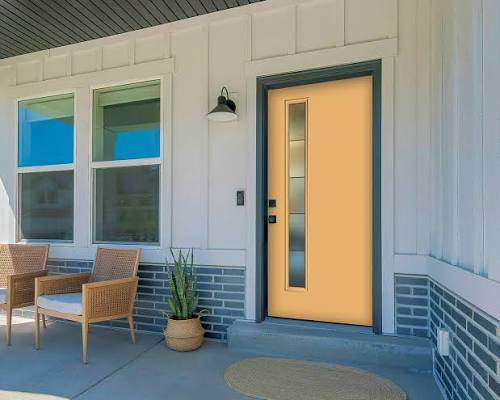
The front door matters because it appears in photos, street view, and the buyer’s first physical interaction with the home.
A tired front door can make the whole property feel neglected. A freshly painted door can create a strong focal point.
Safe front door colours in Adelaide include:
- charcoal
- deep navy
- black
- muted eucalyptus green
- warm grey
- heritage red, where appropriate for a character home
Match the colour to the property style. A black or charcoal door may suit a modern townhouse or renovated villa, while a softer heritage tone may suit a sandstone cottage or bungalow.
Priority 5: Exterior Touch-Ups and Street-Facing Surfaces
A full exterior repaint can be expensive, so triage carefully.
Focus first on what buyers see from the street:
- front fence
- verandah posts
- fascia
- eaves
- window trims
- shutters
- garage door
- front door
- visible render cracks or peeling areas
If only the rear or side elevations are tired, ask your agent whether they are likely to materially affect buyer confidence. Sometimes targeted work is enough. Sometimes visible failure suggests broader maintenance problems and needs proper repair.
Colour Strategy for Adelaide Homes
Use Neutrals, But Not Lifeless Ones
The safest pre-sale colours are warm, flexible neutrals. They make rooms feel brighter and allow buyers to imagine their own furniture, art, and rugs.
A good pre-sale colour should:
- work with the flooring
- work with the kitchen and bathroom finishes
- look good in natural and artificial light
- photograph well
- feel current without being trendy
- appeal to a wide buyer pool
Avoid colours that dominate the room, including:
- strong red
- bright yellow
- dark purple
- feature-wall teal
- children’s themed colours
- very cold grey
- harsh blue-white
- high-gloss wall finishes
Test Colours in the Actual Home
Do not choose a colour from a screen or a small card alone. Adelaide light, room orientation, floor colour, and fixed finishes can change how paint appears.
Test large samples in:
- the main living area
- the darkest hallway
- a bedroom
- the kitchen
- a room with western afternoon sun
Check the samples:
- in the morning
- in strong midday light
- in late afternoon
- at night under existing lights
A neutral that looks perfect in a paint shop can turn yellow, pink, green, blue, or grey once it is beside your tiles, timber floors, carpet, or benchtop.
Match the Colour to the Home Type
For sandstone villas and cottages, avoid ultra-modern cold whites unless the renovation style supports it. Warm whites, stone neutrals, and soft heritage-friendly tones usually feel more natural.
For cream-brick and post-war homes, warm off-whites and greiges often work better than cool greys.
For modern townhouses and apartments, clean whites, soft greys, and restrained contrast can suit the architecture.
For coastal homes, lighter neutrals, sandy whites, soft greys, and muted blues can support a relaxed beachside feel without becoming themed.
For hills homes, earthy neutrals, warm whites, and muted greens can work well with surrounding trees, stone, and timber.
Sheen Selection: What to Use Where
Paint sheen affects durability, cleanability, and how much surface damage shows.
Ceilings
Use flat ceiling paint. It hides minor imperfections and reduces glare.
Walls
Use low-sheen, matte, or eggshell depending on the product and room. For most pre-sale interiors, a washable low-sheen or eggshell finish is a good balance between appearance and durability.
Use more washable finishes in:
- hallways
- children’s rooms
- kitchens
- laundries
- high-traffic areas
Bathrooms and Laundries
Use paint suitable for wet areas. These rooms need better moisture resistance than standard living areas.
Do not paint over mould without treating the cause. If the bathroom has poor ventilation, peeling paint, or recurring mould, fix those issues before repainting.
Trim, Doors, and Frames
Use semi-gloss or gloss. It is more durable and easier to clean.
Exterior Surfaces
Use exterior-grade paint suitable for the surface and exposure. Render, timber, metal, brick, and fibre-cement may need different preparation and coating systems.
For coastal Adelaide homes, choose exterior products suitable for high UV and salt exposure, and follow manufacturer preparation instructions closely.
Preparation: The Part Buyers Notice Without Knowing Why
A rushed paint job can make a home look worse. Buyers may not know exactly what is wrong, but they notice drips, rough patches, crooked cutting-in, paint on floors, and obvious roller marks.
Good preparation should include:
- removing loose or flaking paint
- cleaning dust, grease, and residue
- filling holes, dents, and cracks
- sanding repairs flush
- caulking gaps around trim
- spot-priming repaired areas
- sealing stains with the correct primer
- protecting floors, fixtures, and cabinetry
- removing or neatly cutting around switch plates and fittings
In kitchens, clean walls before painting. Grease and cooking residue can prevent paint from bonding properly.
In bathrooms, deal with moisture and mould first. Paint is not a fix for poor ventilation or leaks.
On exteriors, never paint over failing paint, damp render, salt damp, or rotten timber and expect a lasting result.
Primer: When It Is Worth It
Primer is not just cheaper paint. It solves specific problems.
Use primer when:
- painting over dark or strong colours
- painting new plasterboard or large repaired areas
- covering stains
- painting bare timber
- painting over glossy surfaces
- painting exterior timber or metal
- dealing with adhesion concerns
- changing from oil-based to water-based systems, where product instructions require it
Use the right primer for the problem. Water stains, tannin bleed, smoke stains, and glossy old enamel may require different primers.
If the home has old paint that may contain lead, get advice before sanding or disturbing the coating.
DIY or Hire a Professional?
DIY painting can make sense when the job is small, low-risk, and you have enough time to do the preparation properly.
DIY may be suitable for:
- one or two bedrooms
- minor touch-ups
- repainting already sound walls
- simple interior walls with minimal repair work
- painting before professional cleaners and stylists arrive
Hire a professional when:
- the home is going to auction and presentation must be excellent
- exterior surfaces are involved
- the house is older and may contain lead paint
- there is peeling, cracking, mould, staining, or render damage
- ceilings are high
- the home has ornate trims or heritage details
- speed matters
- photography is booked soon
- you are painting trims, doors, or cabinetry
- the finish must look flawless under inspection lighting
When getting quotes, ask for at least three itemised quotes. Check whether the painter is licensed where required, insured, and experienced with your type of property.
A useful painting quote should include:
- exact rooms or areas included
- preparation included
- number of coats
- primer requirements
- paint brand and product line
- sheen level
- whether ceilings, trims, doors, wardrobes, and windows are included
- start and completion timing
- clean-up
- warranty or defect process
- proof of public liability insurance
Be careful with vague quotes. “Paint interior” is not enough detail.
Timing the Paint Job Before Sale
Painting should happen after major repairs and before staging and photography.
A sensible order is:
- Fix leaks, cracks, plaster damage, electrical issues, and other repairs.
- Declutter and remove excess furniture.
- Deep clean surfaces that will be painted.
- Complete painting.
- Replace or clean flooring if required.
- Install small final items such as switch plates, handles, or lights.
- Complete professional cleaning.
- Style or stage the home.
- Take professional photography.
- Begin open inspections.
Allow time between painting and staging. Paint may be dry to touch within hours, but it can take longer to harden. If furniture is pushed against freshly painted walls too soon, it can mark the surface.
As a practical rule, allow several days between painting and styling where possible. Keep labelled touch-up paint for each colour and sheen so small marks can be fixed before opens.
Special Notes for Character and Heritage-Style Homes
Adelaide has many older homes where painting decisions should be more careful.
For villas, cottages, bungalows, maisonettes, and federation-style homes:
- avoid painting original stone unless it has already been painted and specialist advice supports repainting
- be careful with old timber windows and doors
- do not sand old coatings without considering lead paint
- keep colours consistent with the home’s architecture
- repair cracking, salt damp, or moisture problems before painting
- use breathable or compatible coatings where required by the surface
If your home has heritage listing or is in a historic conservation area, check local council requirements before making exterior colour or surface changes.
Common Mistakes Adelaide Sellers Should Avoid
Painting Everything White Without Testing
White can look clean, but the wrong white can make a home feel cold, cheap, or unfinished. Test first.
Ignoring Salt Damp or Moisture
Paint will not fix salt damp, water ingress, or rising damp. If paint is bubbling or flaking at the base of walls, get the cause assessed.
Painting Over Dirty Kitchen Walls
Grease prevents good adhesion. Clean and degrease before painting.
Using the Wrong Sheen
Flat paint in high-traffic areas can mark easily. Gloss on walls can highlight every imperfection.
Spending Too Much on Low-Impact Rooms
If the budget is limited, prioritise entry, living areas, kitchen, bathrooms, trim, and street-facing exterior details before repainting rooms buyers barely notice.
Choosing Personal Colours
You may love navy bedrooms, terracotta feature walls, or deep green living rooms. Buyers may not. Pre-sale paint should widen appeal, not express personality.
Rushing Before Photography
Paint drips, patchy walls, strong odours, and uncured surfaces can undermine the whole presentation.
Hiring on Price Alone
The cheapest painter may not include the preparation needed for a clean result. Always compare scope, not just price.
A Practical Pre-Sale Painting Plan
For most Adelaide sellers, the best approach is:
- Ask your agent what buyers will object to.
- Inspect the home in daylight and at night.
- Prioritise the main buyer pathway: entry, hallway, living, kitchen, bathrooms.
- Choose one warm neutral for most interior walls.
- Use flat paint on ceilings, washable low-sheen or eggshell on walls, and semi-gloss on trim.
- Refresh the front door if it looks tired.
- Touch up or repaint street-facing exterior details.
- Use a professional for exterior work, older homes, lead-risk areas, and high-visibility finishes.
- Keep all paint colours and sheens recorded for touch-ups.
- Leave enough time before staging, photos, and open inspections.
Final Recommendation
If your Adelaide home is already neutral and well maintained, you may only need touch-ups, trim refreshes, and a front-door repaint.
If the walls are marked, colours are dated, or the home feels visually inconsistent, a targeted repaint can make the property easier to photograph, easier to inspect, and easier for buyers to imagine living in.
The safest pre-sale strategy is not to chase trends. It is to create a clean, calm, well-maintained backdrop that suits the home, the suburb, and the likely buyer.
For Adelaide sellers, that usually means warm neutrals inside, careful attention to preparation, extra caution with older paint systems, and smart exterior choices that account for heat, UV, and coastal exposure.
Commonly Asked Questions
Below are common questions we get asked.
Should I repaint my whole Adelaide home before selling?
Not always. Repaint the whole interior if the existing colours are inconsistent, dated, dark, or heavily marked. If most rooms are already neutral and clean, focus on high-impact areas such as the entry, living areas, kitchen, bathrooms, trim, and front door.
What colours are safest for selling a home in Adelaide?
Warm whites, soft off-whites, light greiges, pale stone colours, and gentle warm greys are usually safest. Avoid very cold whites, dark feature walls, and strong personal colours unless they clearly suit the property and buyer market.
Should I paint the exterior before selling?
Only if the current exterior creates a poor first impression or suggests maintenance problems. Focus first on the front door, fascia, eaves, trims, fencing, garage door, and street-facing surfaces. Coastal homes may need more exterior attention because salt air and UV can accelerate paint failure.
Is DIY painting good enough before sale?
DIY can be fine for simple interior rooms if you can prepare properly and produce a clean finish. For exteriors, older homes, high ceilings, trims, doors, visible defects, or tight sale timelines, a professional is usually safer.
What should I ask a painter before hiring them?
Ask what preparation is included, how many coats they will apply, what primer is needed, which paint products they will use, whether ceilings and trim are included, how they handle lead-paint risk, and whether they have current insurance.
How long before photography should painting be finished?
Allow several days where possible. Paint may feel dry quickly, but it can still mark while curing. Finishing early also gives time for odours to clear and for small touch-ups before photography and inspections.